The Rural Review
An online journal produced in conjunction with the Rural Reconciliation Project.

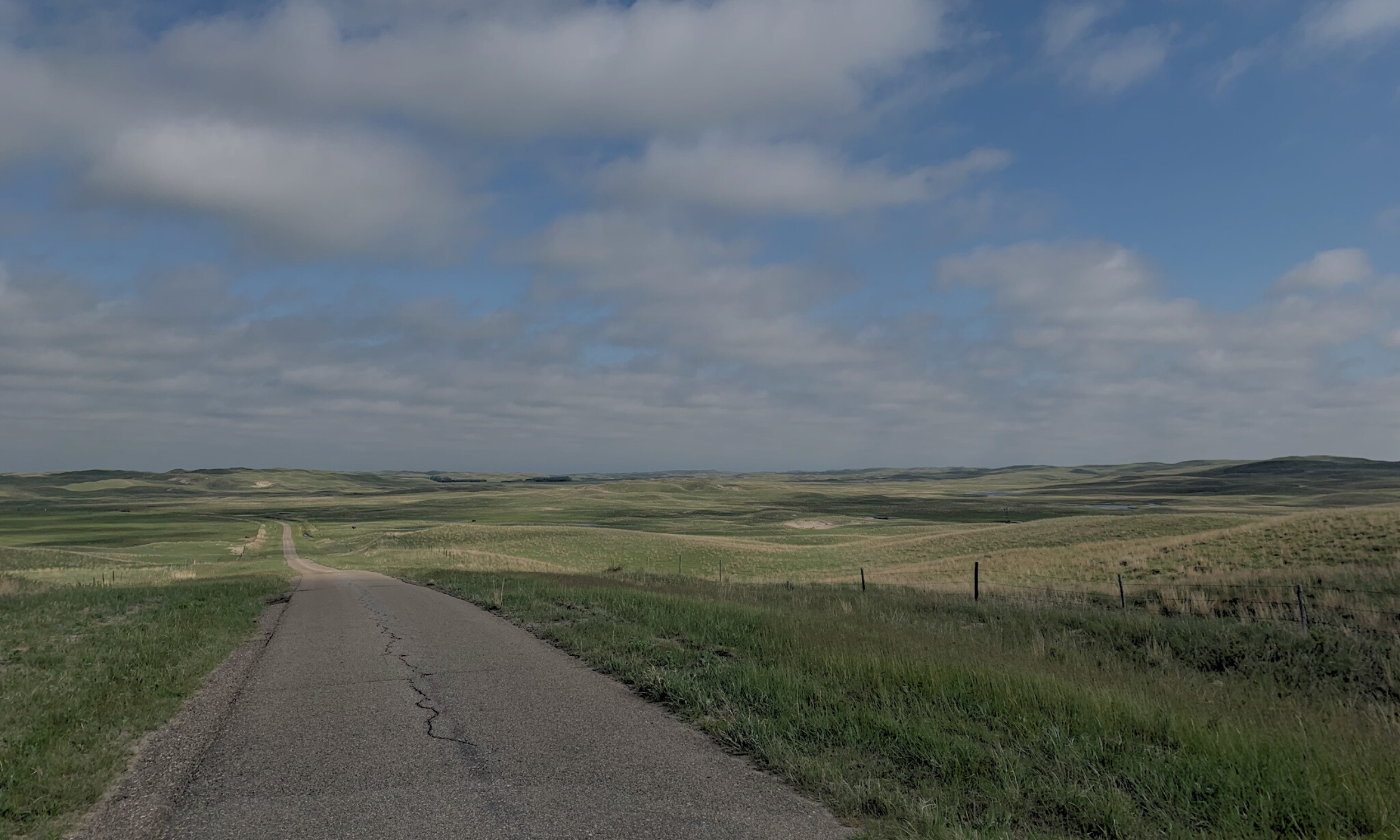
Buzard et al.: Barrier Island Reconfiguration Leads to Relocation
In Barrier Island Reconfiguration Leads to Rapid Erosion and Relocation of a Rural Alaska Community, authors Richard M. Buzard, Christopher V. Maio, Roberta J.T. Glenn (all of University of Alaska Fairbanks, Department of Geosciences), Nicole E.M. Kinsman (National Oceanic and Atmospheric Administration), Li H. Erikson (Pacific Coastal and Marine Science Center), Benjamin M. Jones (University of Alaska Fairbanks, Institute of Northern Engineering), Scott Anderson (Native Village of Port Heiden), and Jacquelyn R. Overbeck (Alaska Division of Geological & Geophysical Surveys) provide a unique analysis of modern coastal erosion in a rural Alaskan village.
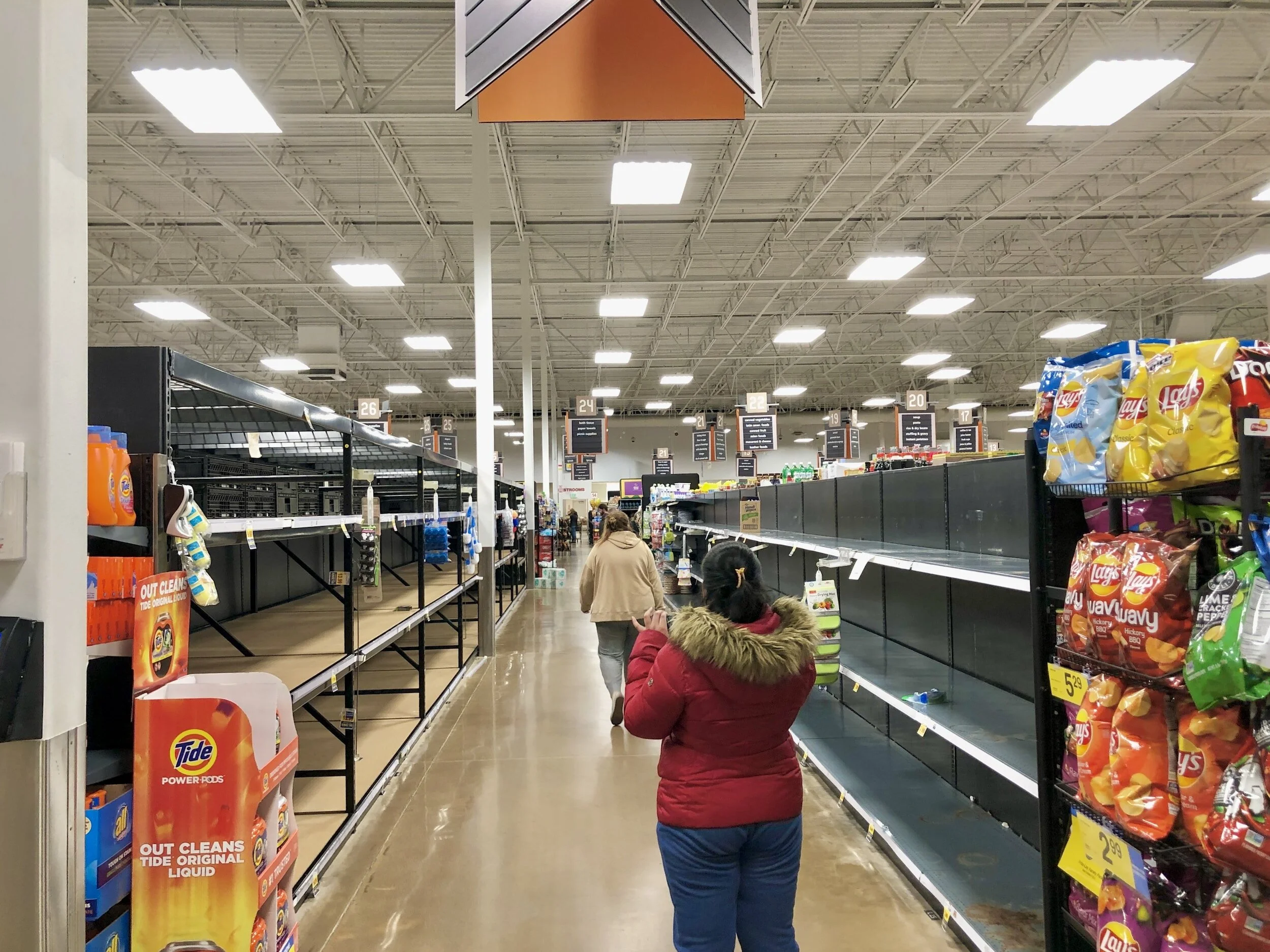
Hadachek, Sexton, and Ma: Resilience of Food Supply Under Extreme Events
In Market Structure and Resilience of Food Supply Chains Under Extreme Events, authors Jeffrey Hadachek, Richard J. Sexton (both Department of Agriculture and Resource Economics, UC-Davis), and Meilin Ma (Department of Agriculture Economics, Purdue University) examine the impact of economic policy on the resilience of food supply chains.
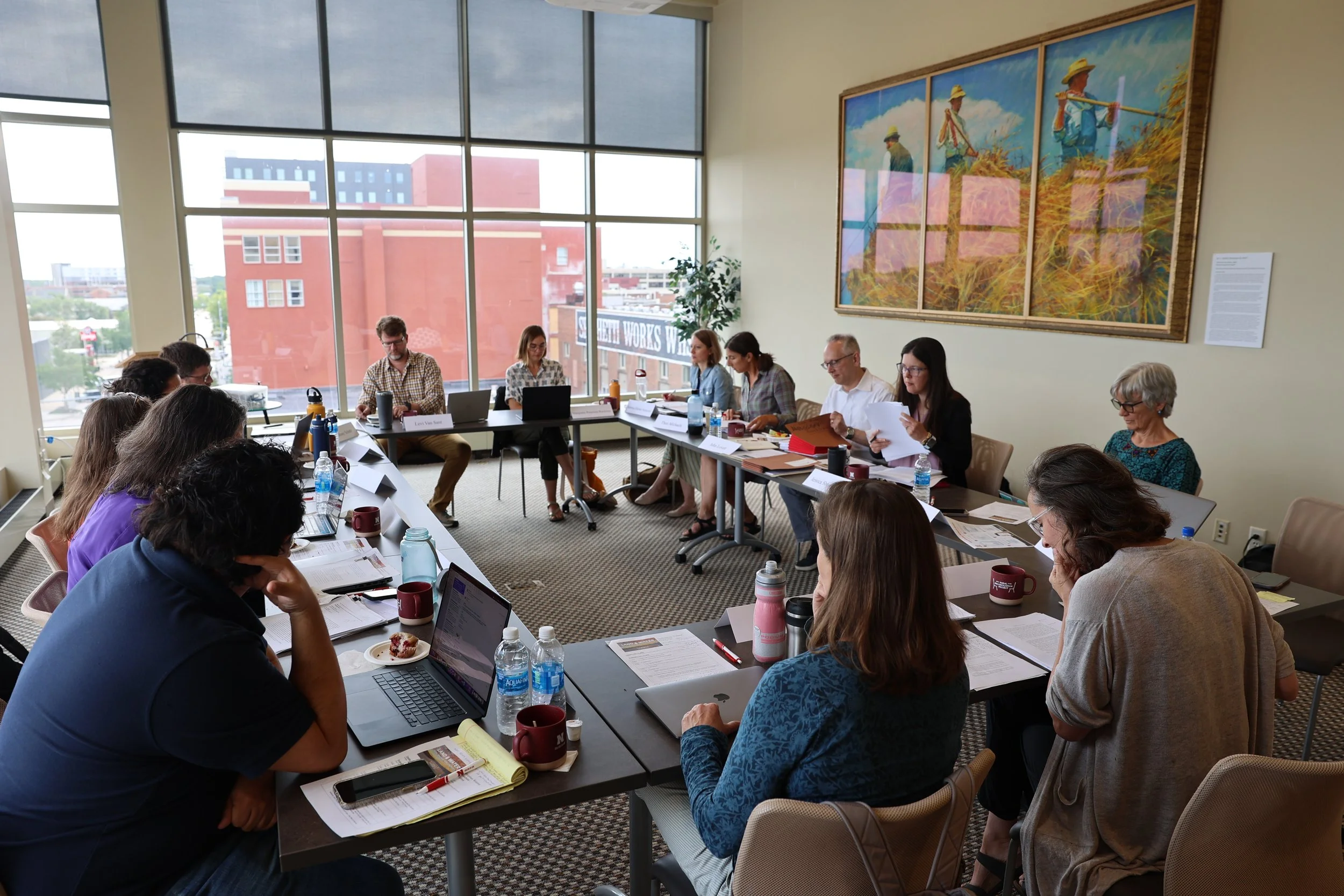
Who Owns Rural America: Land & Water Workshop Review
This July, the Rural Reconciliation Project hosted interdisciplinary scholars in Lincoln, Nebraska, to discuss pressing issues related to the changing ownership of land and water resources.

Stiernström: Sustainable Development and Sacrifice
In “Sustainable development and sacrifice in the rural North,” author Arvid Stiernström (Department of Urban and Rural Development, Division of Rural Development, Institutionen för stad och land, Uppsala, Sweden) examines the narratives and concepts used surrounding mining in rural communities.


Infographic No. 3: Food Insecurity in Indian Country
Third in our series of infographics produced in Emily Prifogle's Law in Rural America seminar is a closer look into food insecurity in Indian Country by third-year law student at Michigan Law, Taylor Hopkins

Infographic No. 2: Rural Alaska Governance
Second in our series of infographics produced in Emily Prifogle's Law in Rural America seminar is by Alaska native and recent graduate of Michigan Law, Mitchel Forbes, with thoughts on "over-goverance" in rural Alaska and tips for dissolving local municipal governments:

Infographic No. 1: Rural Park Access
First in our series of infographics produced in Emily Prifogle's Law in Rural America seminar: an insightful look at how access to parks and public greenspaces varies across the urban/rural spectrum by Robert Brewer, a third-year law student at Michigan Law.

Rural Law Short Course: A Mini-Series in Infographics
In this original essay, Emily A. Prifogle, a legal historian and Professor of Law at the University of Michigan Law School, first discusses curricular innovations happening at several U.S. law schools on rural law and then introduces a series of related infographics to be featured on the Rural Review this week.

Roundup: September 15, 2023
A periodic collection of recent research, analysis, and other notable rural items.

Thompson, Tomayko, Gunter, & Schuna: Four-Day School Week
In “Are All Four-Day School Weeks Created Equal? A National Assessment of Four-Day School Week Policy Adoption and Implementation” authors Paul N. Thompson (School of Public Policy, Oregon State University), Emily J. Tomayko (Center for American Indian and Rural Health Equity, Montana State University), Katherine Gunter, and John M. Schuna, Jr. (both of School of Biological and Population Health Sciences, Oregon State University) compile an overview of the four-day school week in America, and the impact that is has on students, families, and school districts.
Explore the Rural Review
Brief, objective summaries of new rural research across academic disciplines.

Collections of recent rural scholarship, news, and events.
Guest opinions, essays, research summaries, and other original content.
Original book reviews, creative reading lists, and further resources.

Summaries and announcements from recent programs and workshops.