The Rural Review
An online journal produced in conjunction with the Rural Reconciliation Project.
Fulkerson & Thomas: Rural America’s Housing Vacancy Problem
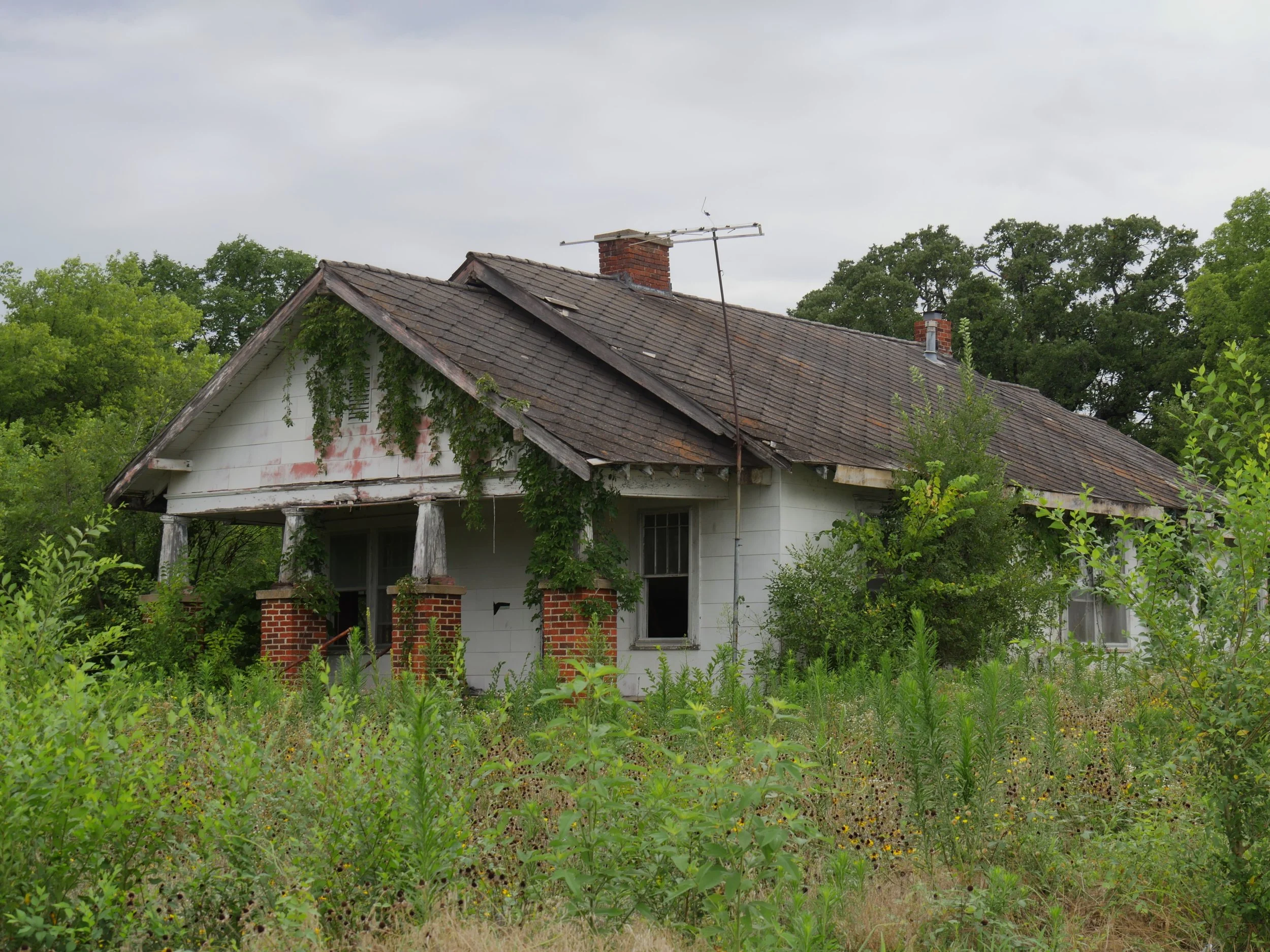
In America’s Empty Homes: The Overlooked Rural and Nonmetropolitan Housing Vacancy Problem, Gregory M. Fulkerson and Alex R. Thomas (both PLACES Institute, SUNY Oneonta) examine housing vacancy across rural and nonmetropolitan areas of the United States. They focus on patterns of “structural housing vacancy,” meaning vacant housing units excluding those designated for seasonal, recreational, or occasional use. The study uses various factors like socioeconomic conditions, demographic characteristics, rurality and remoteness, and regional contexts to advance a more geographically nuanced understanding of housing vacancy in the US.

Stark: Taxation, Redistribution, and the Urban-Rural Divide
In Taxation, Redistribution, and the Urban-Rural Divide, author Kirk J. Stark (UCLA School of Law) considers how population density in urban and rural areas influences subnational and nation tax policies in the United States. The author claims that the urban-rural divide promotes more redistributive tax policies at the subnational level, while pushing the national government towards less redistributive tax policies.

Robertson: Community Lawyering in Coal Country
In Community Lawyering in Coal Country: Empowering Those Who Power America, Gregory Robertson (West Virginia Law) examines how social institutions have failed coal miners by systematically discouraging attorneys and advocates from representing coal miners in Black Lung benefits claims, and how four attorneys have modeled success despite these challenges by drawing on the principles and strategies of community lawyering.

Green III et al.: Protecting Rural Schools
In Preserving Rural School Districts from the Threat of Vouchers and Charters, Preston C. Green III (Urban Education and Educational Leadership and Law, University of Connecticut), Bruce D. Backer (Teaching and Learning, University of Miami), Christopher M. Saldana and Julie F. Mead (both Education, University of Wisconsin-Madison) discuss how voucher and charter school programs are having an unintended negative impact on rural school districts and communities. The authors suggest that state legislatures take action to fulfill their constitutional obligation to ensure public access to education by creating “education preserves.”

Smith: Rural Electric Cooperatives
In Empowering the Energy Transition in Rural Electric Cooperatives, Katrina Smith (Carolina Law), outlines the shortcomings of rural electric cooperatives and how they have transformed from their original design to what they are today. Smith considers various pathways for reform to empower rural communities, including how tax status can be leveraged as a new method of reform.

Chambliss: Rural Legal Markets
In Rural Legal Markets, Elizabeth Chambliss (University of South Carolina School of Law) explores the realities of the current legal market of private practice in rural South Carolina. Using a mixed-methods study of private practitioners, Chambliss examines the economic and professional structures that shape rural legal markets, identifies the ingredients of sustainable rural practice, and discusses incentives for rural practitioners to engage in pro bono and low-bono services.

Ryan: A Tale of Two Landlords
In A Tale of Two Landlords, Christopher J. Ryan Jr. (Maurer School of Law) explores the use of legal eviction from the landlord’s perspective, focusing on how costs impact landlords’ behaviors in the formal legal process of eviction. Drawing on over 200,000 eviction cases in Kentucky, the study explores the “economy of eviction,” and finds clear differences between landlords based on their location (rural or urban) and scale of their operations (small or large) when attempting to recoup lost rent or go through the eviction process.

Mars: The Inauthenticity of Western Boom Town Main Streets
In Forgotten are the Locals: Structures of Common Differences and the Inauthentic Curation of Western Boom Town Main Streetscapes, author Matthew M. Mars (Public and Applied Humanities, University of Arizona) examines four rural Arizona “main street” streetscapes to better understand these structures function as inauthentic representations of everyday rural life.

Temple: Nursing Home Care for Family Farmers
In Protecting Access to Nursing Home Care for Family Farmers, Natalie Temple (Gonzaga Law School) explores the challenges faced by American farmers facing retirement age and the need for care in nursing home facilities. Due to the “land rich, cash poor” nature of most farmers, elderly care poses a choice for most farmers between selling off farmland or going without care.
Munis & Nemerever: Rural Residency, Rural Resentment, and Attitudes Towards Public Land Management
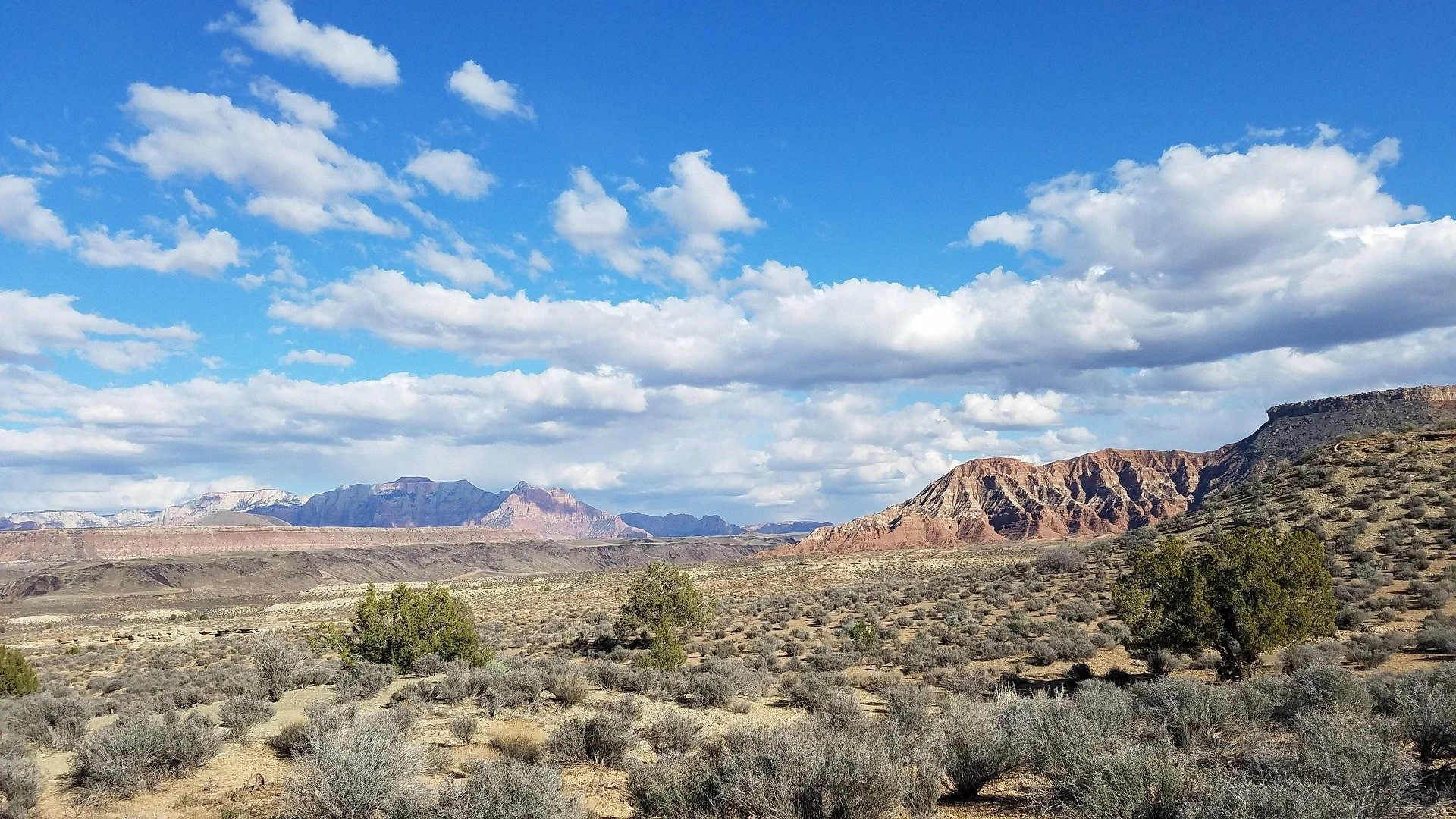
In Rural Residency, Rural Resentment, and Attitudes Towards Public Land Management in the United States, authors B. Kal Munis and Zoe Nemerever (both Political Science, Auburn) explore attitudes regarding federal public land management along the urban-rural divide. The authors find that while both rural and non-rural Americans are broadly supportive of federal public lands, a subset of “resentful ruralities” are markedly unsupportive of public lands due to their opposition to the federal government.
Walden & Rogers: Justice on the Backroads
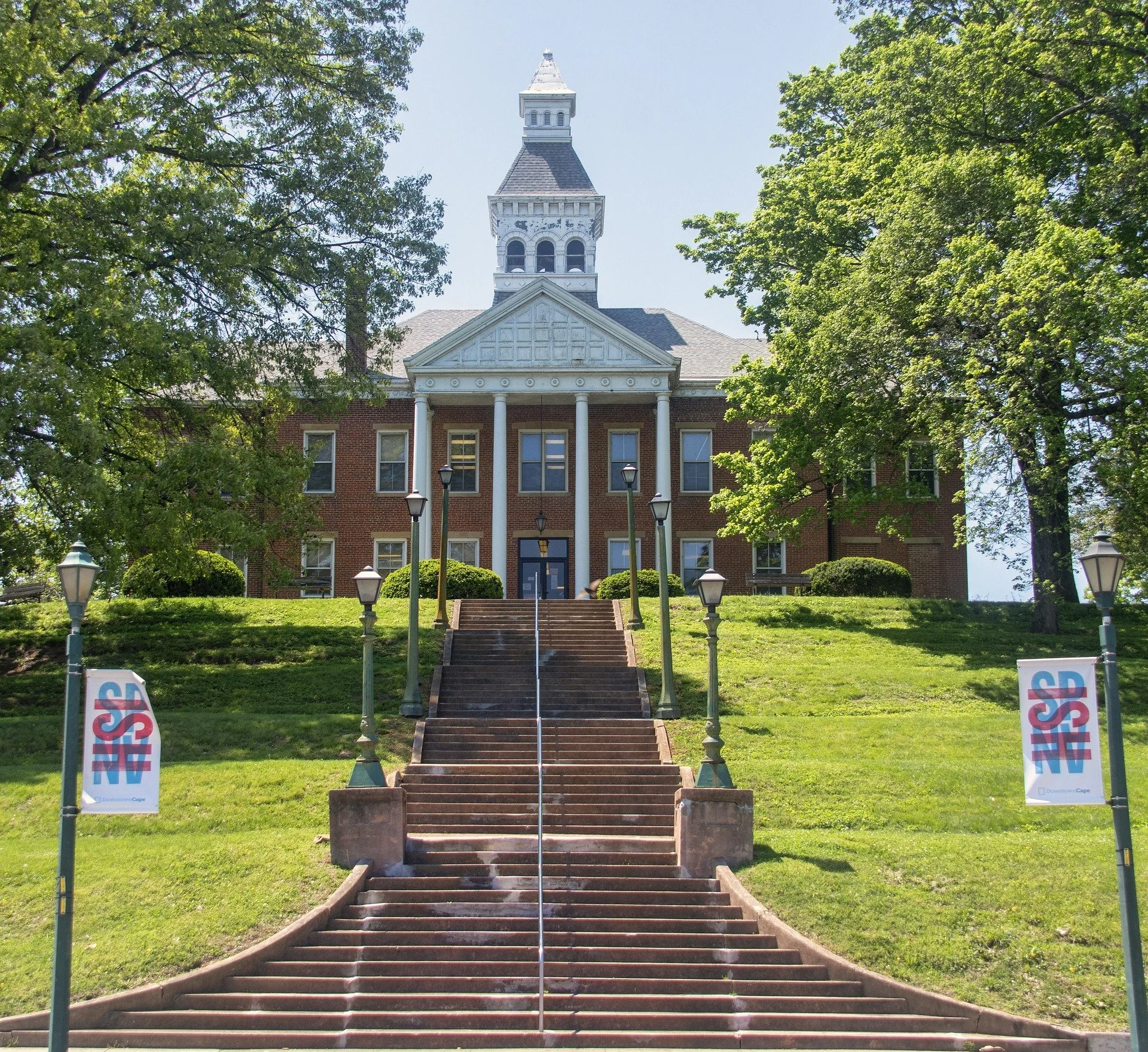
In Justice on the Backroads: The TBA YLD’s Answer to the Rural Attorney Shortage, Hon. Zachary R. Walden (Criminal Court judge for Tennessee’s 8th Judicial District) and Alix Rogers (Belmont University College of Law) explore the impact of the Tennessee Bar Association Young Lawyer Division’s Rural Judicial Fellowship (RJF) on law students from schools across the state. Built in response to Tennessee’s growing “legal deserts”—areas in which the availability of legal services is diminishing—the RJF program places law students in clerkships with rural judges during the summer to introduce them to career opportunities in rural areas.

Hisey & Olsen: Collaborative Management on the Eastern Slopes
In Collaborative Management on the Eastern Slopes: The Waldron Ranch Grazing Cooperative and Conservation Easement Motivations, Forrest Hisey (Geography, Geomatics, and Environment, University of Toronto Mississauga) and Jonah Olsen (Geography and Planning, University of Toronto) investigate the use of conservation easements (CEs) in Canada as a tool for private land conservation. The authors explore the intrinsic and extrinsic motivations for such easements, including deeply rooted cultural identities among landowners and traditional economic benefits.
Explore the Rural Review

Brief, objective summaries of new rural research across academic disciplines.

Collections of recent rural scholarship, news, and events.
Guest opinions, essays, research summaries, and other original content.

Original book reviews, creative reading lists, and further resources.

Summaries and announcements from recent programs and workshops.